CHW & community navigation
Community health worker health education, appointment prep, referrals, caregiver engagement, and social-needs support.
ICRBI • Senior Connected Care Hub
ICRBI helps seniors and caregivers access telehealth, remote patient monitoring readiness, nutrition support, chronic-disease navigation, and clinical and community partnerships — through people and places they already trust.
A program of ICRBI — guided by the SPELL Impact framework
Islamic Center for Research and Business Incubator Inc. • San Diego, California
The idea
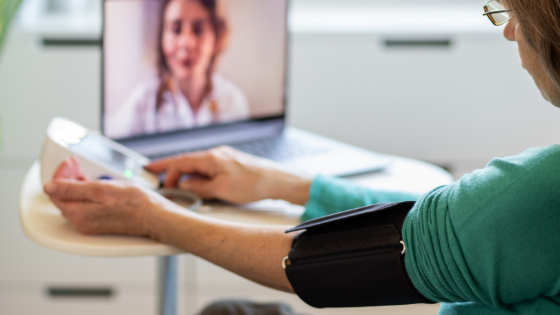
Devices and dashboards already exist. The unmet need is trusted senior adoption. ICRBI connects seniors, families, community sites, clinical partners, and RPM/telehealth tools into one practical care-readiness model. Faith centers, community health workers, and caregivers create access that app-first platforms cannot replicate.
Clinics and managed care plans retain all clinical responsibility. ICRBI focuses on the human layer: trust, education, navigation, and readiness.
How we work
Five commitments that shape every ICRBI program — from the first conversation with a senior to the outcomes we publish.
We look at symptoms, vitals, daily function, medications, personal goals, and life circumstances together — not one number at a time.
We turn that picture into clear, clinically reviewed next steps that fit the person in front of us.
We work with the person, their caregivers, and the places they already trust — not around them.
We connect people to clinical care and to food, transport, benefits, and support — and we confirm they got there.
We measure whether it worked, report it openly, and change what does not. Every measure we publish is stratified by language, geography, and digital access, so we can see who the model is not yet reaching.
Why now
Persistent chronic-disease demand, an accelerating older population in California, and renewed investment in AI-enabled remote monitoring and telehealth.
Sources: CDC chronic disease facts & stats, California Department of Aging, Rock Health 2025.
The ICRBI model
A nonprofit community implementation layer that links seniors and families to clinical partners and RPM/telehealth tools.
Community health worker health education, appointment prep, referrals, caregiver engagement, and social-needs support.
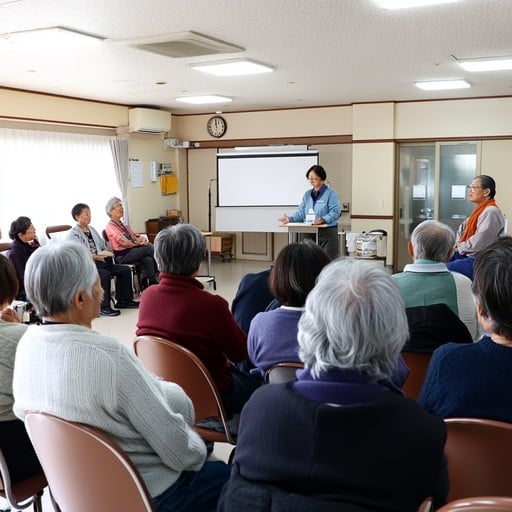
Hands-on workshops for seniors and caregivers on phones, video visits, patient portals, and connected devices.
Device setup education, reminders, troubleshooting, and escalation prep — always under clinical partner protocols.
A CDC-aligned, culturally respectful nutrition and chronic-disease readiness program for seniors and caregivers. See the program →
Islamic centers, JCCs, churches, and senior centers as trusted access and enrollment points.
Clinics and FQHCs handle eligibility, orders, monitoring, treatment, billing, and clinical escalation.
Centralized referral workflows, data collection, monthly metrics, and quality reporting for payers.
Coordinated rides and mobility-support referrals so seniors and people with disabilities can reach clinics, workshops, food pickup, and pharmacy. See the module →
Where remote monitoring is part of a person’s care, readings and patterns are reviewed by a registered nurse or trained care navigator at our clinical partner. Our technology helps prioritize and summarize — it does not diagnose. Licensed clinicians make all clinical decisions. How we govern data and algorithms →
Sources: DHCS Community Health Workers, DHCS Community Care Hubs.
Who we serve
ICRBI is designed for the full circle of senior care — the people who receive it, deliver it, host it, and pay for it.
The pilot
50–150 seniors across two faith/community sites, with at least one clinical partner and monthly outcome reporting.
50–150 seniors, San Diego County
Heart health, respiratory risk, fall risk, social isolation
Clinic/FQHC, RPM/device vendors, managed-care advisor
Enrollment, device readiness, caregiver engagement, referrals completed
One individual, one community, and one system measure. Figures appear here once the pilot reports — we publish no number our measurement can substantiate.
Individual
—
Seniors reporting progress on the goal they chose themselves, in their own words
Reported at 90 days and end of pilot
Community
—
Referrals confirmed complete by a partner — not just sent
Reported quarterly
System
—
Median time from an identified need to a human reaching the senior
Reported monthly
Sources: DHCS CHW, DHCS provider enrollment options, CMS telehealth & RPM.
Partner with ICRBI to launch a trusted, payer-aligned, CHW-enabled, clinically partnered model for senior chronic-disease care in San Diego County.